Going beyond Net Zero with University of East London

Delivering campus decarbonization and developing the next generation of sustainability leaders.

The net-zero roadmap developed with Siemens is putting the University of East London (UEL) on track to achieve its ambitious target. In the first year of its comprehensive new net-zero strategy alone, the institution has reduced its carbon emissions by 470 tonnes. With this milestone achieved, attention now turns to sustainable power generation, alongside the ongoing initiatives to educate green talent.
-1000t

Up to 1,000t less CO2 annually

+£500K

More than £500K savings in utility costs per year

2030

Net-zero campus by 2030 is the goal

Reduced consumption

The installation of 11,000 LED light fittings across the UEL campuses and 35 upgrades to the Building Management Systems (BMS) immediately reduced operational costs and cut UEL’s carbon emissions by 10 percent.

Sustainable power generation

An infrastructure of sustainable energy technology solutions, including renewable generation from photovoltaic panels on campuses, will help decarbonize UEL’s energy consumption.

Sustainable enterprise

The creation of an innovation hub by UEL, supported by Siemens, will give local green energy start-ups access to co-working spaces, as well as hiring opportunities for UEL students.

Sustainable mobility

UEL's comprehensive net-zero roadmap includes a charging infrastructure for electric vehicles. The availability of attractive EV charging options on campus further contributes to the decarbonization of the university’s premises.

Living Lab

Siemens supports UEL in creating a Living Lab to provide real-time data for teaching and research. Stored on Siemens’ platform, the data will also be available to partners of UEL in locations anywhere around the world.

Growing the talent pipeline

As well as mentoring and internships, Siemens will work with UEL to ingrain sustainability into the curriculum so there is a strong pipeline of talent with the skills needed to manage green issues now and in the future.

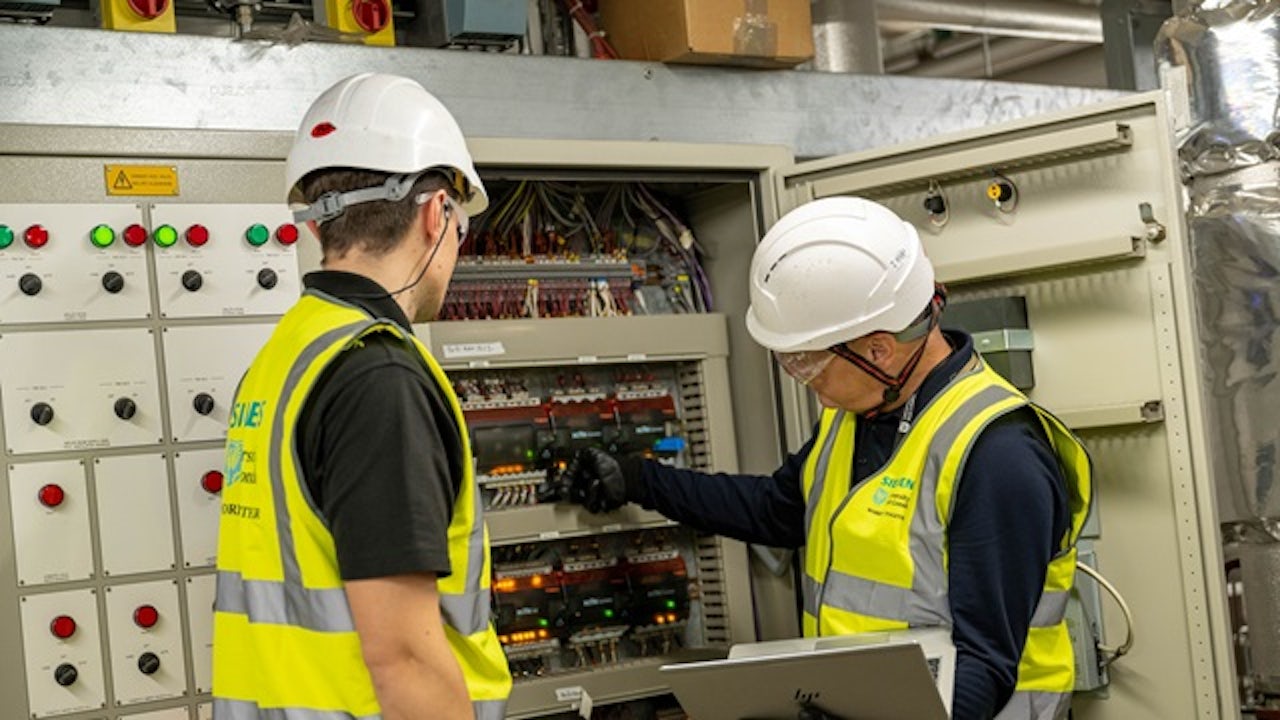
Two workers in safety equipment monitoring the building management system at University of East London.

Considerable energy savings in next to no time

From building management to energy usage, the first step on UEL’s net zero journey, which started in 2021, was to understand how the campus operates — how spaces are used and where energy savings could be made. The first practical measures of the project aimed at reducing energy consumption comprised the installation of LED lighting in all buildings and the connection of 35 buildings to a Building X building management system. These measures alone resulted in a 10% reduction in carbon emissions from 2021/22 to 2022/23.

Getting zero carbon under way

In the second phase, Siemens is implementing technologies across the University's campuses to decarbonize energy consumption. This includes:

  • The installation of approximately 2MV of solar photovoltaics (PV), projected to generate 1.2 GWh of zero-carbon electricity annually. UEL estimates that 90% of the that electricity will be utilized across its premises, with the remaining 10% exported to the National Grid.
  • 27 electric charging points at the University's Docklands Campus.
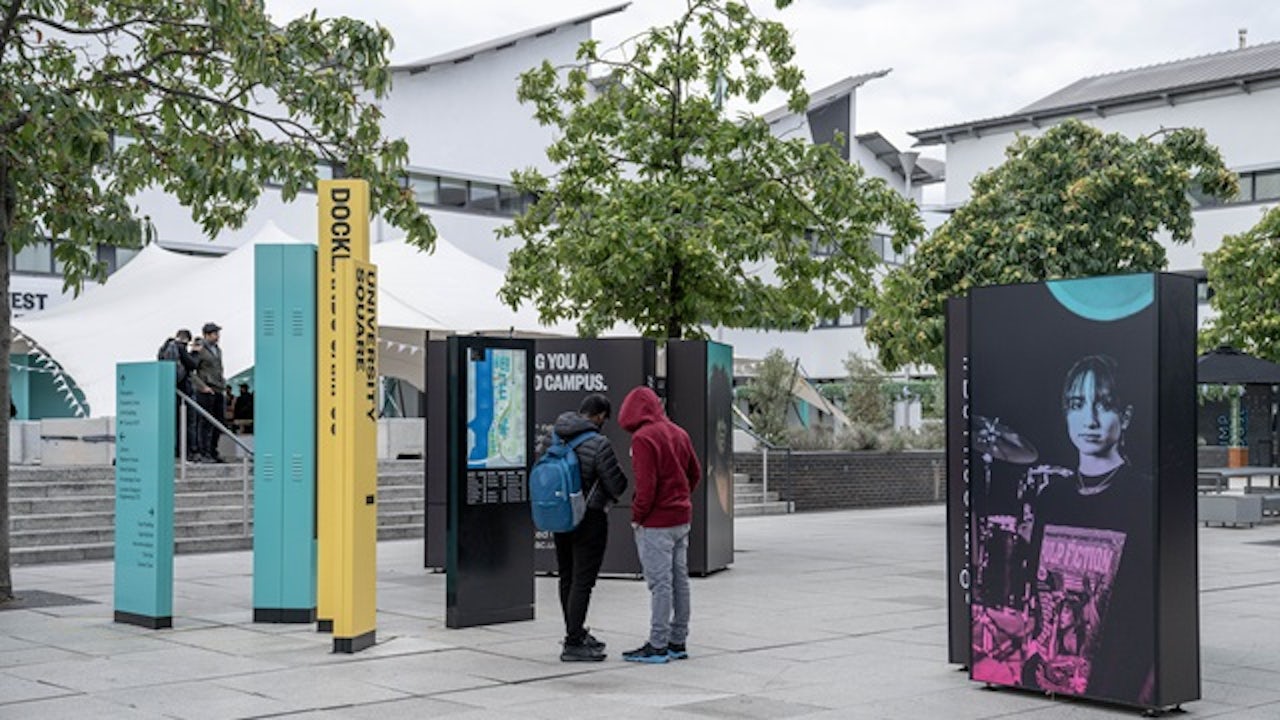
Two University of East London students talking in University Square.

Hands-on experience for next-gen sustainability experts

Siemens and the University of East London see it as their responsibility to do more with net-zero than just reduce carbon emissions. That’s why the roadmap is supported by a program of campus and community activity designed to engage and inspire the next generation. The project places students at the very center of the transformation by enhancing green learning opportunities through access to local, green energy enterprises, and a digital-first culture through the rollout of intelligent, IoT-enabled technology.

The roadmap to net zero

Collaboration with Siemens provides students with access to industry experience and the latest smart technology, as well as opportunities to undertake mentorships and placements.

UEL sits in a truly urban setting, right in the heart of the East London community. Flanked by the river Thames and London City Airport, there is limited space for renewable generation technology and no greenfield space to expand into. With this unique set of challenges in mind and an emphasis on nurturing green skills, the partners have identified several focus areas key to the transformation’s success. Visibility of net zero activity, exposure to innovative engineering expertise and opportunities to work with the Siemens team showcase the myriad of green careers available to UEL students.

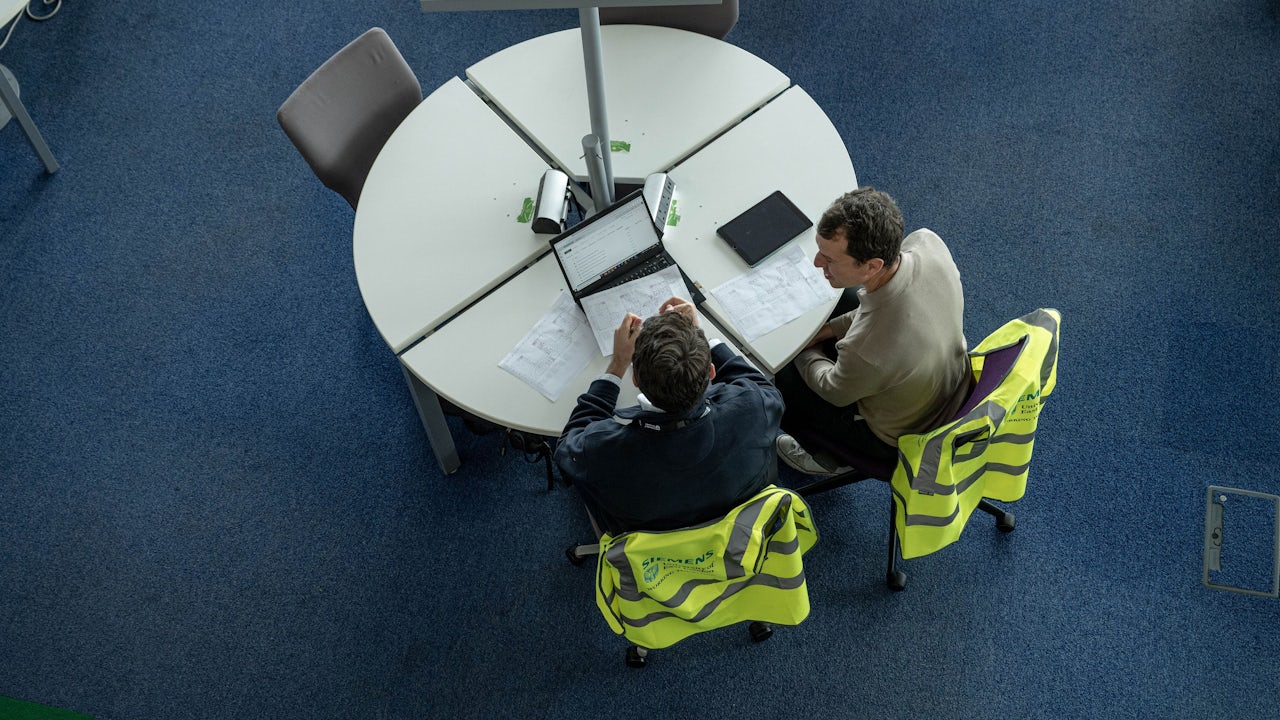
Two University of East London students consult a laptop and tablet in a study area.
A person is standing in front of a Siemens logo, wearing a blue shirt and holding a Siemens product in their hand.

Community and collaboration in the energy transition

Both Siemens and the University of East London believe that community collaboration is essential to stimulating the local area’s green economy. As leaders in the fields of technology and academia, the partnership will aim to make a difference in the local community by exploring ways to introduce local-scale energy projects and by inviting the community to campus to learn about the ongoing work.

UEL will serve as a blueprint for urban universities worldwide to decarbonize, inspiring their students to explore the opportunities presented by the green economy and developing the vital skills needed to support the energy transition.

True partnership and collaboration are key to this success, and that goes beyond decarbonization. Achieving a net zero economy also depends on developing the right talent for the future, and we’re making the data from our work available to students to inform their studies and equip them with the knowledge and skills the UK will need.
Simon Burgess, Head of Sales at Siemens in the UK and Ireland, Siemens
Our long-term partnership with Siemens is central to our commitment to becoming a national decarbonization leader and providing a global blueprint for urban sustainability.
Amanda Broderick, Vice Chancellor and President, University of East London

Additional resources