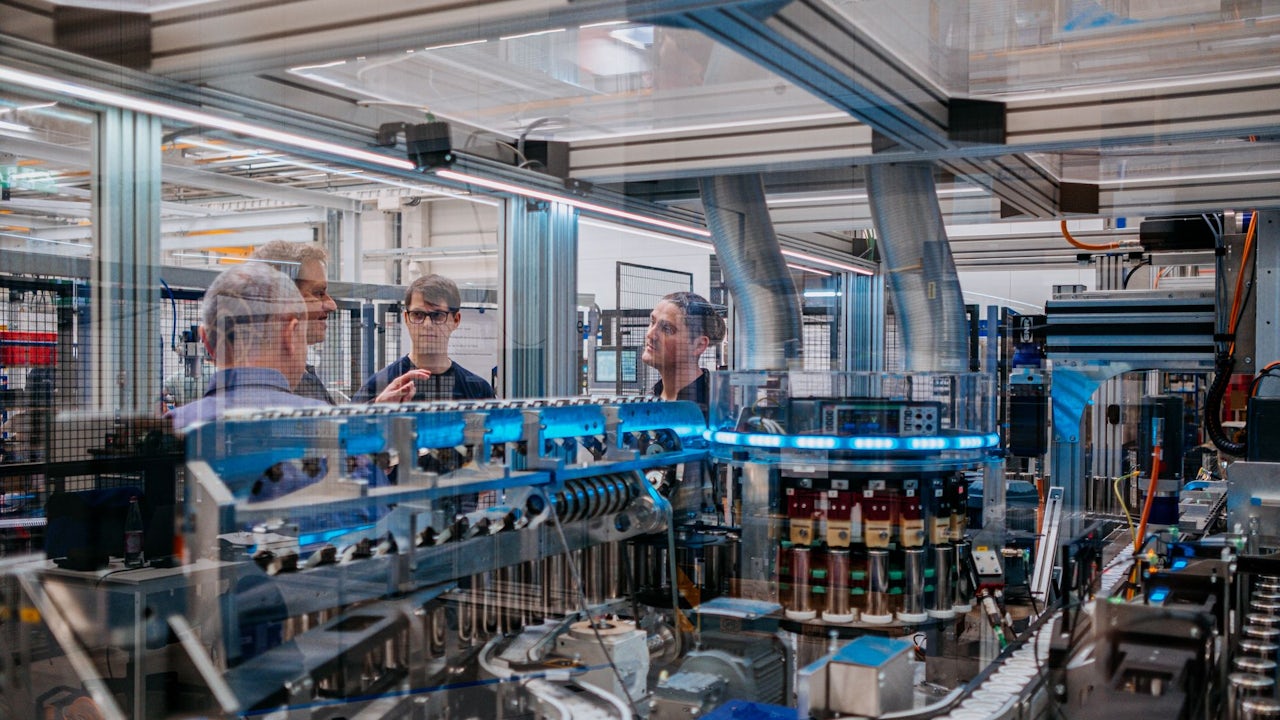
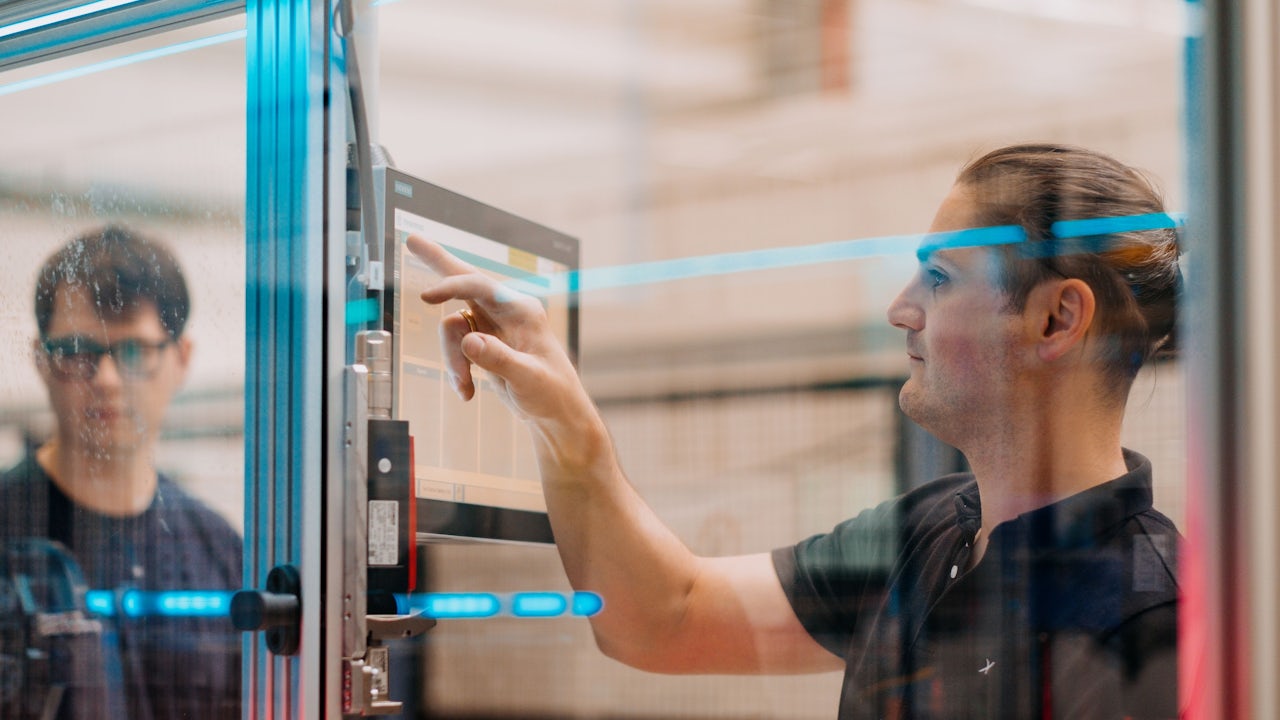
An automation engineer working in a factory in Chemnitz, Germany.

Scaling industrial AI to alleviate labor shortage

A talent shortage looms, but industrial AI and generative AI-powered assistants are bridging the skilled labor gap and charting a path toward a brighter future. Explore how technology is simplifying complex tasks, freeing people from routine duties and driving performance to new heights.

Hand holding a smartphone displaying the GitHub Copilot logo

The future of work: Empowering tomorrow's workforce through human-machine collaboration

In an era marked by a critical skilled labor shortage and radical technological advancement, a clear vision for tomorrow’s workforce emerges: one empowered to work better, faster and smarter. It is a vision grounded in greater efficiency, the reduction of repetitive tasks and the unlocking of human potential to its fullest.

Now, with technology in support, this is becoming a reality — at scale. Human-machine collaboration has evolved beyond the days when it was challenging and restricted to a select few with specialized skills. Generative AI-powered assistants are already supporting complex tasks across the industrial landscape.
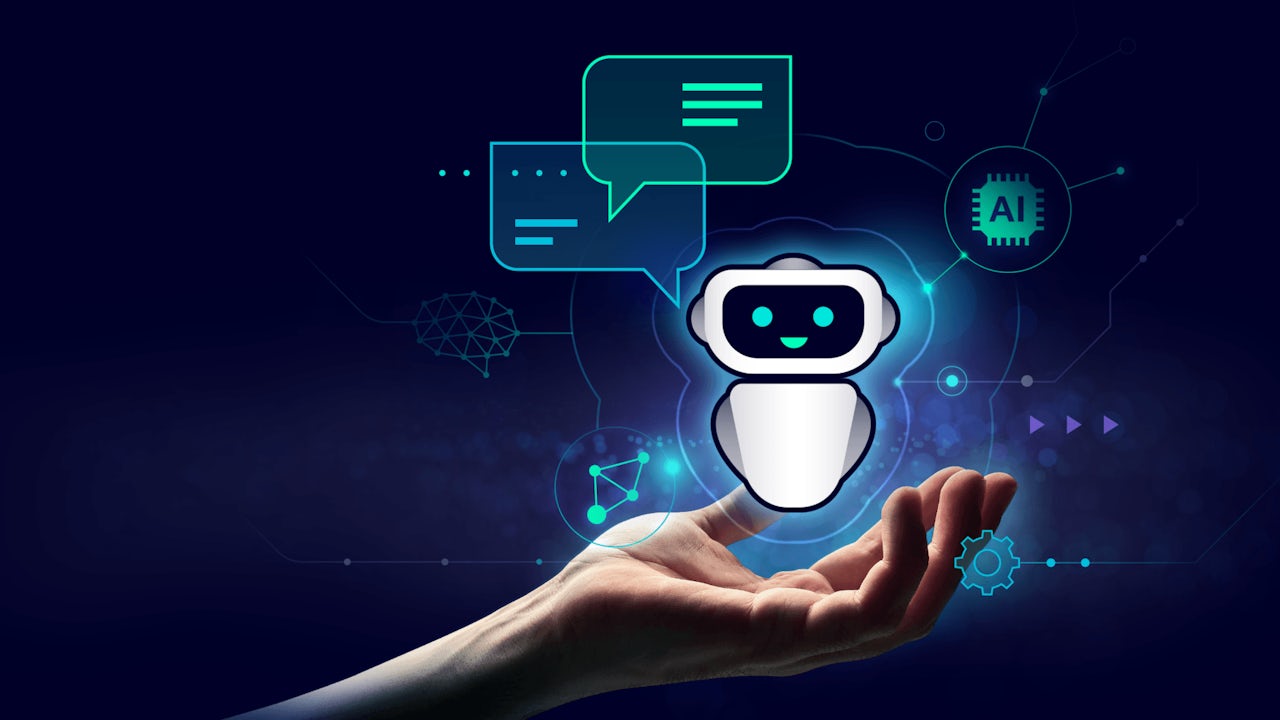
Today, for example, the Siemens Industrial Copilot for Engineering is quickly generating complex automation code, creating panel visualizations and answering any engineering-related question upon instruction. The Siemens Industrial Copilot for Operations, meanwhile, allows operators and maintenance engineers to interact with machines while they are operating and solve any problems that arise. The latter leverages static intelligence, like worker instructions or manuals, alongside dynamic process and sensor data through IIoT and edge devices, to radically enhance the speed and efficiency with which this work is done.

This human-machine collaboration can largely be conducted via natural language input. And it is increasing in scale. thyssenkrupp Automation Engineering is planning a global roll out of the Industrial Copilot.

Furthermore:

  • Over 100 organizations in Europe and the US are using the Siemens Industrial Copilot to improve efficiency, cut downtime and address labor shortages.
  • More than 120,000 engineers can now leverage the Industrial Copilot, upskilling experts and workers in programming with GenAI.

Now is the time to act

By 2030, over 85 million jobs could go unfulfilled due to a scarcity of skilled individuals, according to a recent Korn Ferry report. As labor market imbalances continue and society ages, economic growth will increasingly rely on productivity gains fueled by technology and the ability of younger talent to take on tasks once performed by older workers.

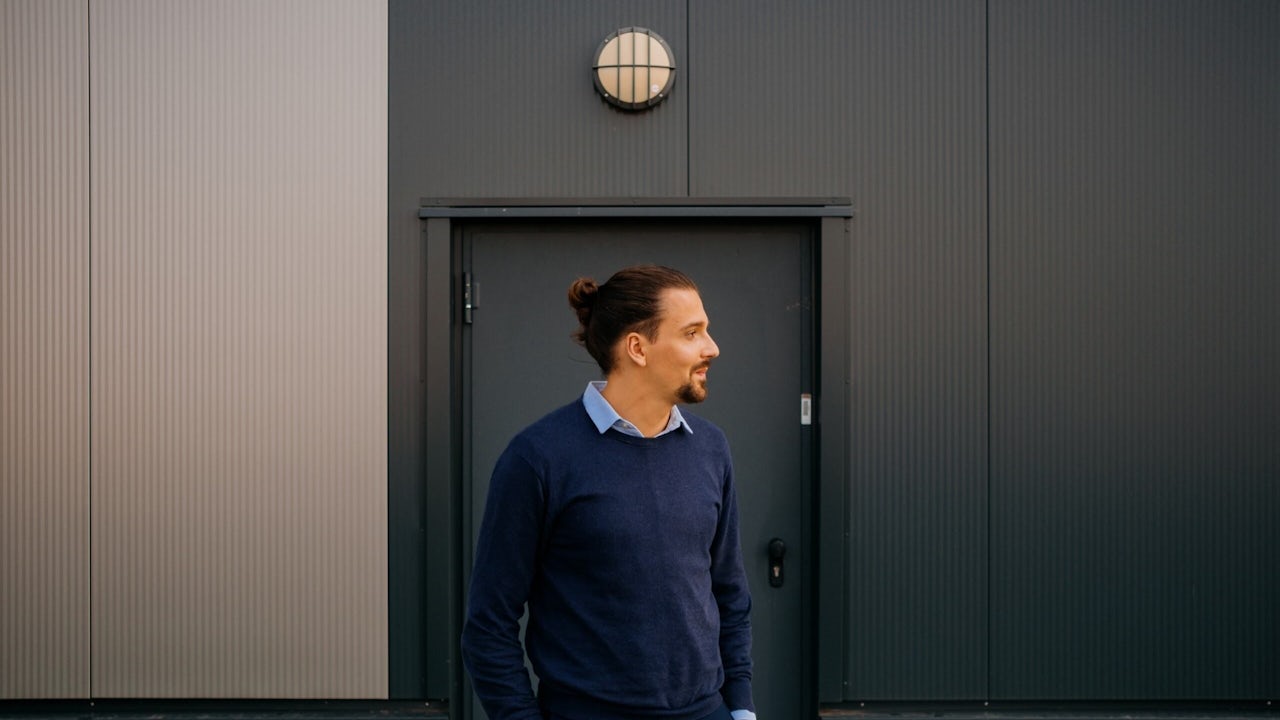
Erik Scepanski, innovation manager at Siemens, can relate to this firsthand. He started his career as an electrical engineer working with complex machines at a Siemens plant near Essen, Germany.

“I was a young engineer. I didn’t have a clue how to program machines. I had a mentor I often asked for help, but he had his own projects to manage. For that older generation of engineers, the relationship with their machines was close — a true workplace partnership. The moment an error code appeared, they knew exactly what the issue was. And back then, machines were difficult to ‘talk’ to. It’s incredibly challenging to pass down that deep, hard-earned knowledge to someone else.”

A man in a factory wearing a Siemens shirt is standing in front of a machine.

This is exactly what many organizations are struggling with today. Scepanski notes, “I talked to a lot of customers who told me their biggest challenge is finding skilled labor, both automation engineers and service technicians or maintenance engineers. And this can be where the stakes are high: if a machine is faulty, production halts, parts cannot be produced. The impact is significant — every minute counts.”

Siemens industrial copilot with a robotic arm and a digital interface.

How can technology help people the most?

That’s the burning question Scepanski wanted to respond to, as he and his colleagues began developing the Siemens Industrial Copilot in 2022. “We have an opportunity to really make a difference. To accelerate how we do automation and operate machines. This can impact everyone — from those in the factories to those who use the products in society.”

The Siemens Industrial Copilot is being taken to the next level with Microsoft, to handle demanding environments at scale. Combining Siemens’ unique domain know-how across industries with Microsoft Azure OpenAI Service, the Industrial Copilot further improves handling of rigorous requirements in manufacturing and automation.

Take the Siemens Industrial Copilot for Engineering which, since the product’s availability in July 2024, customers across various sectors have started using to boost efficiency. Engineers can now create panel visualizations in 30 seconds and generate code that requires only 20% adaptation. This streamlines workflows, reducing manual effort and addressing the skilled labor shortage. The chat function also provides instant, precise answers, eliminating the need for lengthy searches.

“It’s not just efficiency in isolation,” says Eric. “It opens the doors to more people working on complex tasks, regardless of gender or cultural background. Speak to the Siemens Industrial Copilot in your language and it will answer.”

Transforming battery quality assurance

Here lies one of the most striking recent developments:

Working alongside Siemens and Microsoft, co-creation partner thyssenkrupp Automation Engineering is planning to use the Siemens Industrial Copilot globally. Beginning in early 2025, their machines will be engineered with the assistant, fully unleashing its potential across their entire product range.

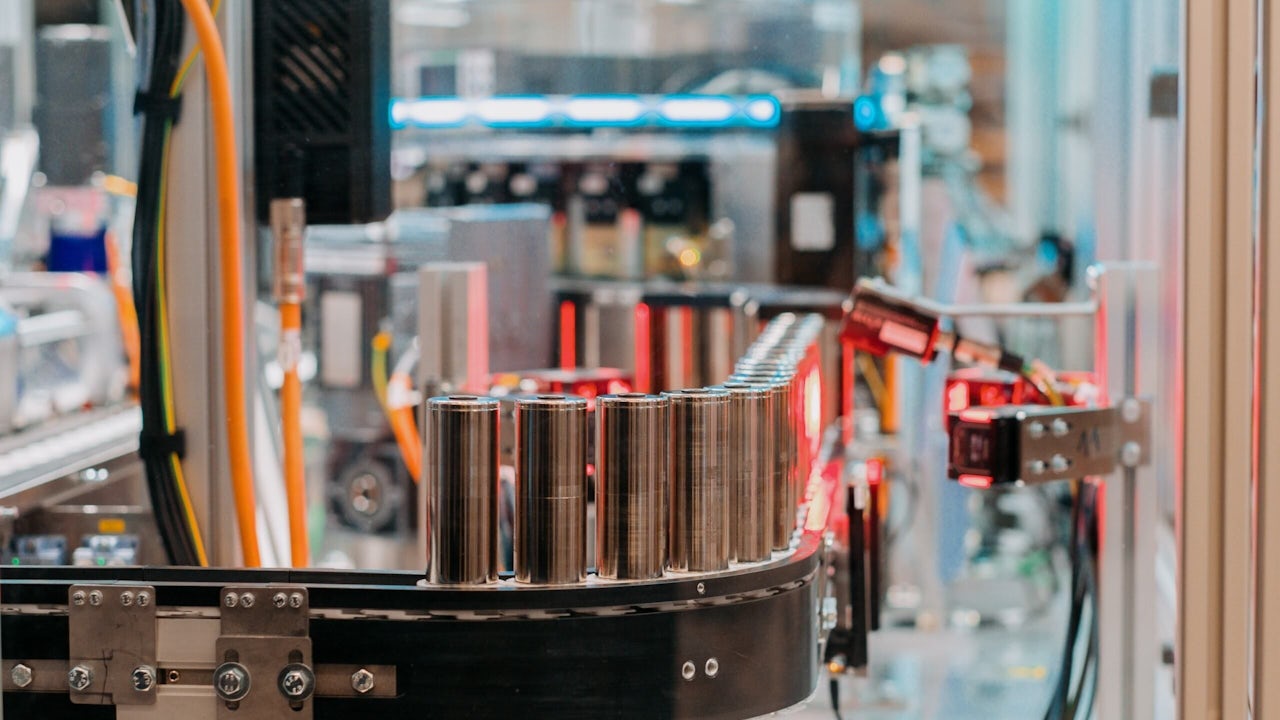
thyssenkrupp Automation Engineering exemplifies the Siemens Industrial Copilot’s potential at scale, particularly in complex control, such as development of automated systems for the production of battery and hydrogen assembly lines. One of their machines helps ensure the quality of batteries for electric cars, a crucial factor in the sustainable energy transition and the industry’s reliance on 100% reliable batteries. Sensors, cameras and measurement systems are integrated to monitor battery cell quality across multiple stages, conducting complex evaluations to detect discharges beyond set thresholds.

A machine is testing battery cells in a laboratory setting.

The Siemens Industrial Copilot supercharges the development and operation of this battery machine by automating repetitive tasks like data management, sensor configuration and the crucial reporting of each step necessary to meet strict battery inspection requirements. This allows the engineers to focus on complex, value-added work, while its real-time problem-solving capabilities minimize downtime and ensure smooth production.

Such developments have the potential to transform the role of generative AI for automation engineering in the industry, and the foundational capability is being made easily accessible on the Siemens Xcelerator open digital business platform.

Siemens and Microsoft employees work together to scale industrial AI.

Progress at scale: Tomorrow’s vision

The collaboration between Siemens, Microsoft and thyssenkrupp Automation Engineering epitomizes an ecosystem-centric approach to technological innovation.

"Together with Microsoft, we scale industrial AI, empowering our customers throughout the industry to become more resilient, competitive and sustainable,” said Cedrik Neike, member of the managing board of Siemens AG and CEO of digital industries.

“The collaboration between Siemens and Microsoft marks a pivotal moment in the industrial sector; one where AI transformation becomes a cornerstone for innovation and operational efficiency,” said Judson Althoff, executive vice president and chief commercial officer at Microsoft.

Marcel Pfeiffer, thyssenkrupp’s director of digital factory solutions, says the collaboration with Siemens and Microsoft has been fruitful. “We plan to use the copilots from the beginning of next year in our serial projects worldwide. In the future, we will see machinery as a construct of permanent change, because technology is a lot faster moving than the machinery market. The Industrial Copilot, especially for engineering, will help a lot to keep up with the pace of that game. In general, I’m convinced that AI copilots will become a game changer for the whole industry.”

Scepanski concludes with a powerful vision: Siemens Industrial Copilots along the entire value chain for all industries. “We see many different Copilots emerging under Siemens Industrial Copilot umbrella. Our ambition is to customize the Copilots to meet the unique needs of specific organizations and roles — be it in design, planning, engineering, operations or service. By infusing our domain expertise into the technology, we are combining the real and digital worlds to transform and elevate the daily work experience for professionals worldwide.”

Start your journey